Quilted Pastel Geometric Texture Tumbler Review
When I first opened the file for the Quilted Pastel Geometric Texture Tumbler, my initial reaction was a mix of curiosity and skepticism. As someone who has spent years evaluating digital assets for commercial production, I have seen countless "textures" that look great on a screen but fall apart under the needle. This design promises a quilted aesthetic with a geometric backbone, wrapped in soft pastel tones. The question isn't just whether it looks pretty; it is whether it can hold up as a machine embroidery design in a real-world scenario.
I decided to put this embroidery file through its paces before committing to a full client project. My goal was to determine if this asset belongs in a high-end boutique collection or if it is better suited for quick, hobbyist gifts. After running several test stitches and analyzing the layout, here is my honest assessment of how this design performs when moving from a computer screen to a finished product.
The Visual Personality and First Impressions
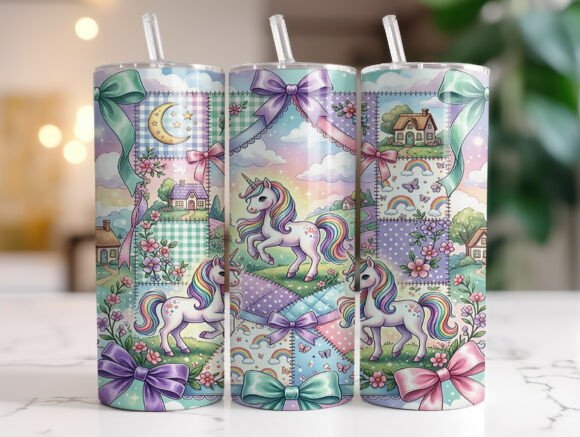
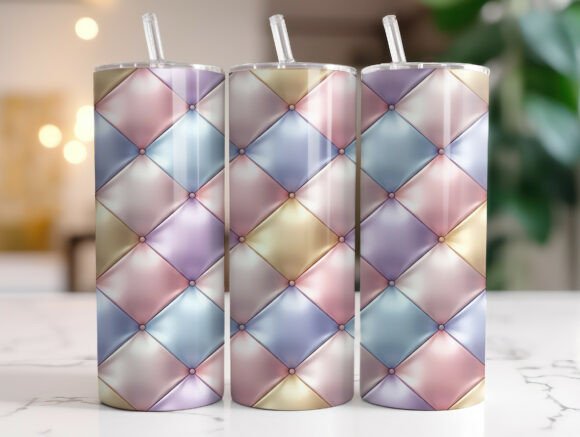
The mood created by the Quilted Pastel Geometric Texture Tumbler is undeniably cozy yet modern. The geometric shapes provide a structured framework, while the implied quilting texture adds depth and warmth. In the world of design assets, finding a balance between rigid geometry and soft, handcrafted vibes is difficult. This design manages to walk that line effectively. It feels like something you would find in a curated nursery or a trendy coffee shop's merchandise section.
For an Etsy seller or a small business owner, this visual personality is a strong selling point. It suggests quality without being overly ornate. The pastel palette is versatile, allowing for easy integration into various color schemes. Whether you are creating a baby shower gift or a summer-themed tote bag, the colors do not clash; they complement. However, the success of this finished product relies heavily on your thread selection. If you choose low-contrast threads, the geometric definition may be lost, turning the design into a muddy blob rather than a crisp pattern.
Real-World Application: From Screen to Stitch
To truly understand the utility of this design, I simulated a common workflow: preparing a custom embroidered tote bag for a local craft fair. The dimensions provided suggest this is optimized for specific surfaces, likely the 9.3″ x 8.2″ area mentioned in the file details. When I transferred the concept to a canvas tote, the geometric layout worked surprisingly well. The straight lines of the geometry aligned perfectly with the flat surface of the bag, creating a professional look that immediately elevated the perceived value of the item.
This same logic applies to sweatshirt embroidery or kitchen towels. The design has enough visual weight to stand out on a thick cotton towel but remains delicate enough for a baby onesie. Imagine a set of matching tea towels featuring this pattern in soft sage and blush pink. The "quilted" effect, achieved through fill stitches, mimics the look of actual stitching, adding a layer of tactile realism that customers love. It bridges the gap between a printed graphic and a traditional embroidered piece.
However, the transition to a curved surface, such as a cap or a rounded tumbler, presents a different challenge. While the product description notes it includes a tapered PNG, the underlying stitch density must be carefully managed. On a curved surface, the tension of the fabric changes, which can distort geometric patterns. If the stitch density is too high, the fabric will pucker, ruining the clean lines of the geometry. If it is too low, the fill areas may show gaps in the thread coverage.
Where Caution is Required
Not every project is a good fit for the Quilted Pastel Geometric Texture Tumbler. There are specific scenarios where this design might struggle. One major consideration is the hoop size. If you are working with a small hoop, the intricate details of the geometric texture might get cut off or become indistinguishable. Small details often suffer when scaled down, so it is crucial to verify the minimum viable size before starting production.
Another critical factor is the fabric type. This design shines on stable, medium-weight fabrics like denim, canvas, or tightly woven cotton. It is less ideal for stretchy materials like jersey knit unless you use a heavy-duty stabilizer and adjust the tension. On thin or sheer fabrics, the density of the fill stitches could cause puckering or even tear the material over time. Similarly, attempting this on dark fabric requires a high-quality underlay and potentially a different thread strategy to ensure the pastels pop against the background.
I also advise caution with products that require frequent washing, such as aprons or workwear. While the geometric pattern is robust, the "quilted" look relies on specific stitch paths. If the thread colors are not colorfast or if the stabilizer washes away too quickly, the structural integrity of the design could degrade. Always test a sample piece through a full wash cycle before mass-producing for a commercial embroidery client.
Impact on Brand and Customer Trust
In the competitive landscape of handmade goods, presentation is everything. A well-executed embroidery project signals professionalism and care. The Quilted Pastel Geometric Texture Tumbler offers a unique opportunity to create a cohesive brand identity. By using this design consistently across personalized gifts, holiday embroidery items, and boutique branding, you create a recognizable visual language.
Customers associate detailed, textured embroidery with higher quality and exclusivity. When a buyer sees this design on a pillow cover or a patch, they perceive it as a premium item. This perception directly influences their willingness to pay a higher price point. Furthermore, the clean lines of the geometry convey organization and precision, traits that build trust with buyers looking for reliable, handmade products.
Conversely, a poorly executed version of this design can damage your reputation. If the edges are jagged or the fill is uneven, it looks amateurish. This is why testing is non-negotiable. Before listing a tote bag design or a digital embroidery file on your shop, you must inspect the physical sample. Check the corners for sharpness, ensure the thread colors match your vision, and verify that the stabilizer is hidden and secure.
Practical Designer Notes for Success
If you are ready to integrate this design into your workflow, here are some essential steps to ensure a flawless outcome:
- Test on Scrap Fabric: Never run a full production batch without a test run. Use scrap pieces of the exact fabric you plan to sell to check for puckering and thread tension.
- Review Thread Color Contrast: Ensure the pastel threads stand out against your base fabric. High contrast is key for maintaining the geometric definition.
- Check Stitch Density: Look at the fill areas closely. Are there gaps? Is the fabric distorting? Adjust the settings if necessary.
- Confirm Hoop Size: Make sure your machine's hoop can accommodate the 9.3″ x 8.2″ design without cutting off edges.
- Inspect Small Details: Zoom in on the geometric intersections. Do they merge smoothly, or are there awkward overlaps?
- Test Black and White Mockups: Convert your digital preview to grayscale to see if the design holds its shape without the help of color.
- Use Proper Stabilizer: For this type of textured design, a cut-away stabilizer is often recommended to maintain the structure after washing.
- Verify Licensing: Confirm whether the file allows for commercial use if you intend to sell the finished items.
The Quilted Pastel Geometric Texture Tumbler is more than just a pretty image; it is a functional tool for creative entrepreneurs. When handled with care and technical precision, it transforms simple materials into high-value, desirable products. Whether you are crafting a one-of-a-kind personalized gift or building a line of small shop products, this design offers a solid foundation for success. Just remember: the difference between a good result and a great one lies in the preparation and the execution.