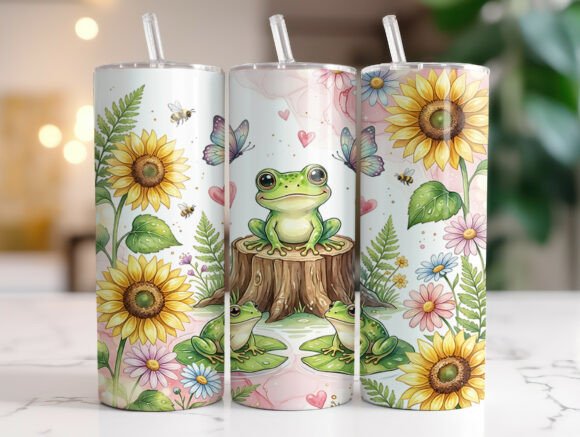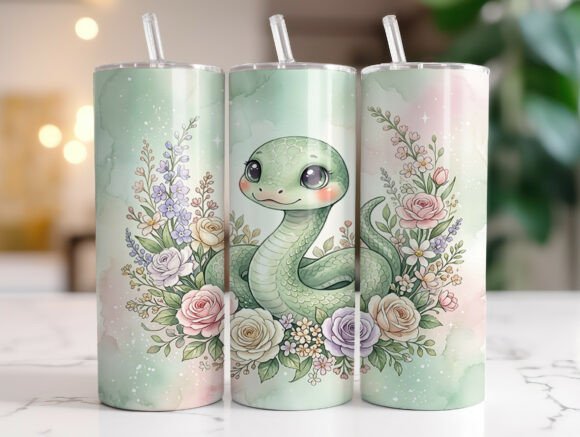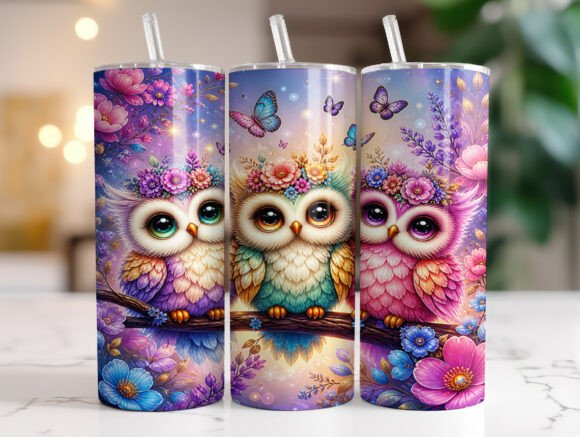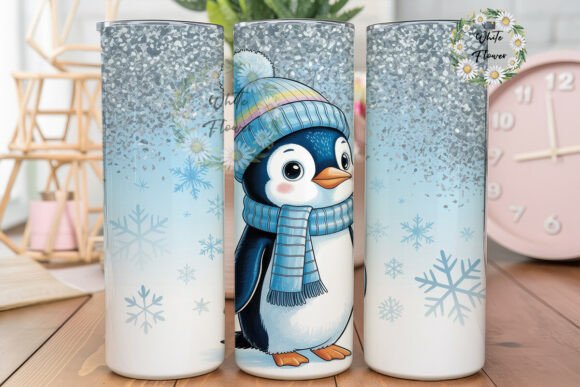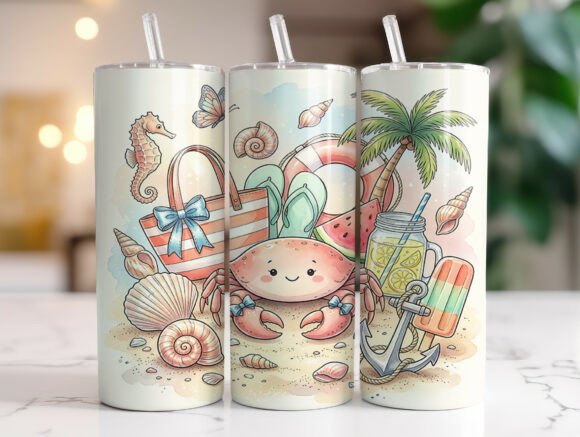
Cute Nautical Crab Seashell 20oz Tumbler
When I first opened the folder for Cute Nautical Crab Seashell 20oz Tumbler, I didn't just see a cute crab; I saw a specific type of customer waiting to be served. As a designer who has spent years turning digital files into tangible, stitched goods, my first instinct is always to look past the "cute" factor and ask: will this hold up in the hoop? Does it translate well from a screen to a textured fabric? In the world of Tumbler Wraps and Graphics, the difference between a best-selling item and a return is often how well the design adapts to real-world stitching.
The immediate mood this design creates is one of relaxed coastal living. It feels like a beach house kitchen or a summer afternoon by the dock. The layout suggests a playful personality that fits perfectly with custom apparel for kids, boutique branding for seaside cafes, or those thoughtful personalized gifts for someone who loves the ocean. However, before I commit to using this for a client's order, I need to understand its technical DNA.
From Screen to Stitch: Visualizing the Real Project
I recently found myself in a scenario where a local boutique owner asked me to source designs for a new line of summer merchandise. She wanted something nautical but not cheesy, something that would work on everything from tote bags to baby onesies. That was when Cute Nautical Crab Seashell 20oz Tumbler caught my eye. The challenge wasn't just about the image itself, but how it would behave on different surfaces.
In my experience, a design like this needs to balance detail with durability. If you are planning to use this as an embroidery project for a high-volume production run, you have to consider the stitch density. A crab with too many tiny details might get lost on a large sweatshirt, while a simple outline might look too sparse on a delicate tea towel. The file provided includes a Straight PNG and a Tapered PNG, which gives us flexibility. The straight version likely offers a solid block for standard applications, while the tapered option could be perfect for wrapping around curved surfaces or integrating into a larger composition.
Imagine taking this design and placing it on a white canvas tote bag. The contrast would be sharp, making the colors pop. But what if we move to a dark navy hoodie? Suddenly, the thread choice becomes critical. You would need to ensure the lighter threads used in the crab and seashell have enough coverage so they don't show the dark fabric underneath. This is where checking the stitch density becomes vital. If the fill stitches are too thin, the design looks cheap; if they are too thick, the fabric puckers, ruining the professional finish of your finished product.
Where This Design Shines (And Where to Pause)
This design is a powerhouse for commercial embroidery projects that target families, children, and beach lovers. It works exceptionally well for baby embroidery items like bibs, bonnets, or small pillow covers where the scale is intimate. The nautical theme also makes it ideal for holiday embroidery projects, particularly around summer events, Fourth of July gatherings, or graduation parties for kids heading off to college near the coast.
However, as a seasoned reviewer, I must point out where caution is required. If you intend to use this on stretchy fabric like jersey knits without proper stabilization, the tension of the machine can distort the crab's shape. Similarly, trying to stitch this on textured fabrics like heavy denim or rough burlap might hide the finer details of the seashell. For small hoop sizes, you need to verify that the intricate parts of the crab don't get cut off or compressed. If the original file is designed for a 9.3″ x 8.2″ area, shrinking it down significantly for a cap patch might result in muddy lines.
Another area to watch is dark fabric. Unless you are using a high-quality underlay or a specific color palette that accounts for the base material, the design might lack definition. I always recommend testing the design in black and white mockups first to ensure the value contrast holds up even without color. This ensures that the visual appeal remains strong regardless of the thread colors you choose.
Practical Notes for the Embroidery Designer
If you are an Etsy seller or a small shop product creator, you know that consistency is key to building trust. Using a design like Cute Nautical Crab Seashell 20oz Tumbler requires a bit of homework before you hit the start button on your machine. Here is my checklist for ensuring success:
- Test on scrap fabric first: Never skip this step. Run the design on a piece of the actual fabric you plan to use to check for puckering or thread breaks.
- Check thread color contrast: Ensure your chosen threads provide enough visibility against the background material.
- Review stitch density: Look at the fill areas. Are they too dense for the fabric weight? Adjusting the density settings can save a ruined garment.
- Confirm hoop size: Make sure your machine's hoop can accommodate the full design dimensions without cropping essential elements.
- Inspect small details: Zoom in on the digital file. Are there any tiny running stitches that might break during the wash cycle?
- Use proper stabilizer: Depending on the fabric, you may need tear-away, cut-away, or water-soluble stabilizers to support the design structure.
- Verify licensing: Before selling finished items or digital products, confirm the terms of use. Some files allow commercial use, while others are strictly for personal projects.
It is also worth noting that the file description mentions "Straight PNG" and "Tapered PNG." While these are great for digital mockups and printable mockup previews, remember that these are raster images. If you are looking for a true machine embroidery design file (like .DST or .PES) to load directly into your machine, you will need to digitize this image yourself or purchase the vector/embroidery file separately. If you are using this as a graphic for a tumbler wrap to be printed rather than stitched, the 300 DPI resolution is excellent for high-quality output.
Final Thoughts on Value and Branding
The ultimate test of any design asset is whether it elevates the brand behind it. Cute Nautical Crab Seashell 20oz Tumbler has a distinct personality that can help define a cohesive look for a craft business. Whether you are creating a set of matching aprons for a cooking class, a collection of embroidered patches for a scout troop, or a line of sweatshirt embroidery for a family reunion, this design adds a touch of whimsy that customers love.
When presented correctly, it signals professionalism. It shows that you care about the details, from the initial concept to the final stitch. It builds customer trust because the design is clear, intentional, and visually appealing. It enhances the giftability of your products, making them feel special and thoughtfully curated.
Ultimately, the decision to use this design comes down to your specific needs and the quality of your execution. By treating it as a tool rather than just a picture, and by following the practical steps outlined above, you can turn this digital file into a standout handmade product. Just remember to respect the limits of the medium, test thoroughly, and let the creativity flow. With the right approach, Cute Nautical Crab Seashell 20oz Tumbler can be the star of your next big collection.